The end of the old agency: why the future belongs to visionaries, not vendors

The end of the old agency: why the future belongs to visionaries, not vendors

I saw the writing on the wall a little while ago when I devolved my teams. Talent has become decentralised, and agility is paramount.   

Many agencies are rooted in an era of fixed campaigns, scheduled press releases, and control over the message. Back then (and only a few years ago – wow!), one skill set and process might serve a talented staff member for 20 years. It was a time when project management and client reporting were jobs in themselves.

AI-enabled top-tier human thought leadership, connected to the top 5% of niche human talent, becomes the critical difference.

This talent thrives across virtual networks, communities, and in ideas yet to be discovered, but is no longer as prevalent in many agencies. 

Some of the best digital editors, who have been working on suites of technologies since they were 10, are the 20-year-old nomads working from a Thai beach. The best social media content is delivered by those who live and breathe the passion for their subject, rather than a generalist office-bound social media manager pushing content out for ten clients. That is what AI is for!

Agile, performance-driven, and opportunistic marketing and technology initiatives demand ever greater value. 

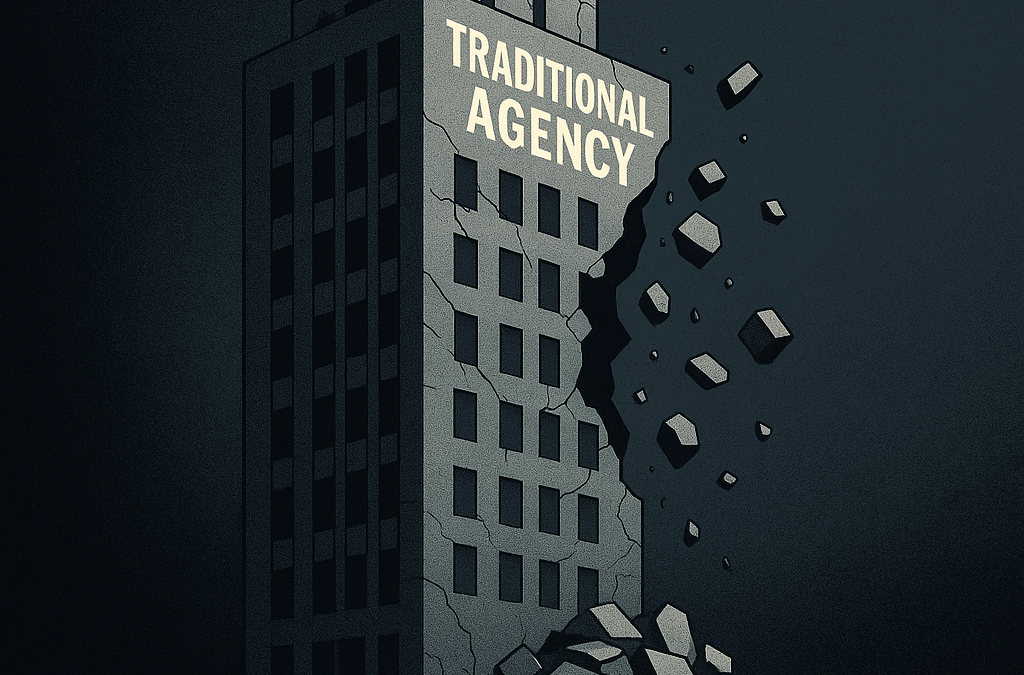
Traditional agencies will find it increasingly complex to compete in this dynamic landscape if they must sustain an out-of-date hierarchy of managers, while upskilling and retraining incumbent marketing generalists, and afford offices and spare capacity.
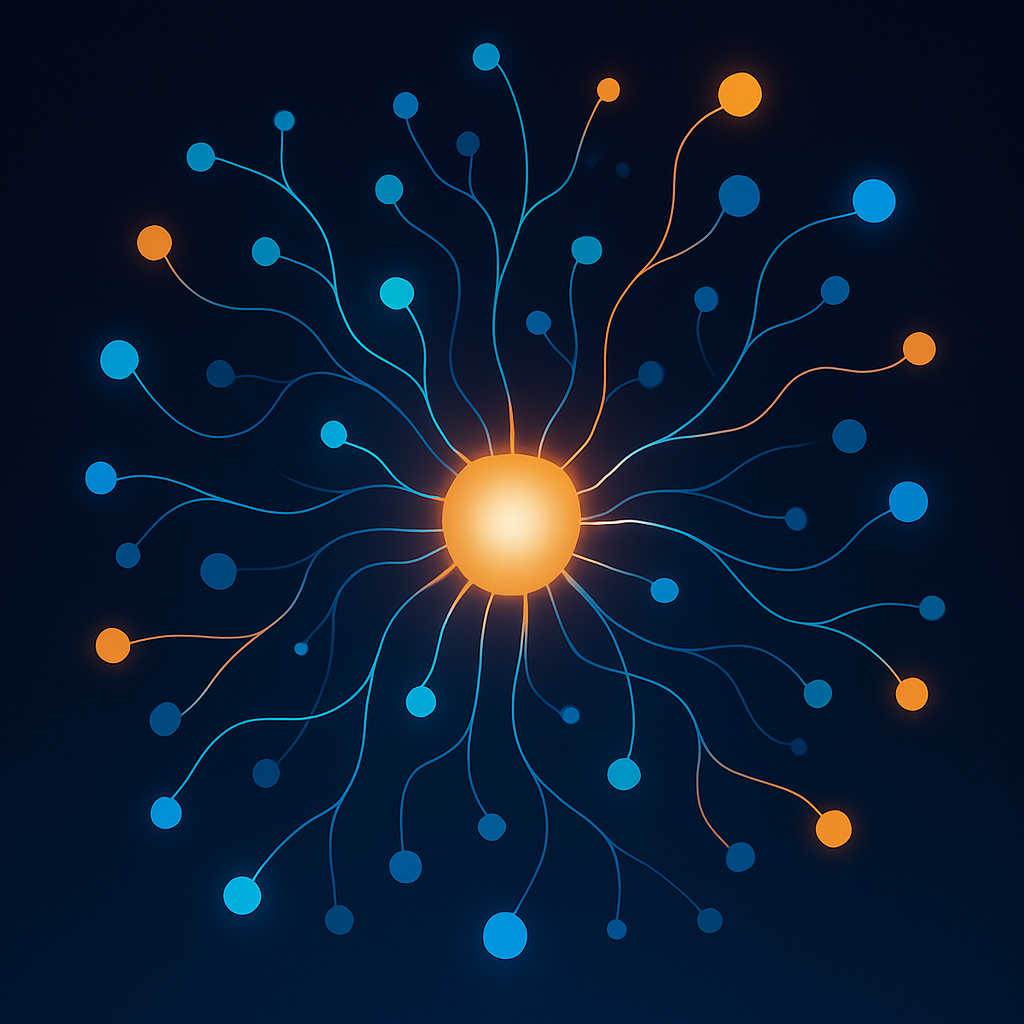
 

The Hub and spoke model

The future, whether agency or client, now depends on those who act like startups, who can merge strategy with technology and can imagine, connect, and adapt faster than the rest.

That’s the space that is Somewhere More Than

At the centre, the hub, sits a thought leader or strategist: someone with the creative vision and strategic clarity to see where culture is heading next. 

I am providing no more than three client days a week to enable me to keep engaged with trends, opportunities and technologies. 

In this new model, AI is not a replacement for human thinking, but a co-pilot for insight, direction, and execution. It supports, amplifies, and accelerates our work, allowing us to focus on imagination, storytelling, and strategy.

In agency days, it was much more about securing a long-term retained account to feed the employees. 

The spokes

Around the hub are the spokes: specialist freelancers and independent creators, the best people for each specific brief. Designers, developers, storytellers, analysts – all brought together dynamically, project by project.

It’s modular. It’s fluid and designed for speed and precision, not undue process.

Core benefits

  1. Agility
    Teams form and dissolve around each challenge. No bureaucracy, no waiting for “available resources.” You get the right expertise, right away.
  2. Quality
    You’re not limited to who’s on payroll. You can work with world-class specialists in design, tech, or comms who fit the project perfectly.
  3. AI becomes the creative accelerator.
    AI handles the data, insight, and repetitive legwork, freeing humans to focus on imagination, storytelling, and strategy.
  4. Client-centric efficiency and value
    Every pound, every dollar spent goes into making something happen instead of maintaining a structure. It’s lean, transparent, and focused entirely on outcomes.

Visionaries, not vendors

The next generation of PR marketing and software development agencies must build on vision, speed, and connection, rather than focusing on accruing retainers necessary to support permanent staff and offices. 

In the hub-and-spoke world, I view the hub, as I do myself, as someone more than just a strategist or project manager. They are the composer and conductor, guiding a network of talent to sing their song, using AI as an instrument to move at the speed of culture.
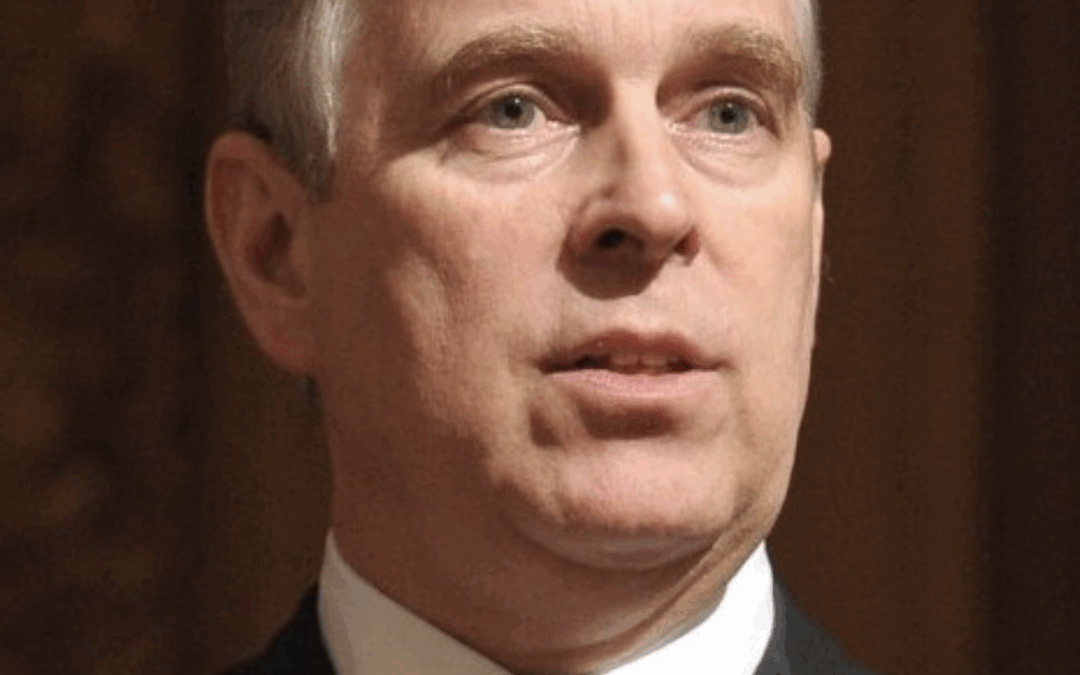

 

Prince Andrew is being executed by a thousand cuts. Are you involved?

Prince Andrew is being executed by a thousand cuts. Are you involved?

What if he hangs himself tomorrow? Might it now seem a shorter fall than his calamitous fall from grace?

Mercy cashes in for clicks, views, and mob opinion, into an ever-wilder frenzy of populist condemnation. The minor issue that he has not (yet) been found guilty of any wrongdoing is, at best, reduced to the small print no one reads —the sort that explains that your home is at risk at the end of a loan advert.

An irrelevance but must have, to not spoil the thrust of the narrative – that he is a monochrome of evil to be hated, deserving to lose everything beyond what is already lost – his status, dignity and remnants of respect.

Should his life be cut to death, what next will this oxygenated fiery rage consume to avoid being extinguished? Most likely, his death will trigger a narrative shift to desecrating the Royal Family for being an anomaly in this modern age, blaming their elevated status for disguising the fact that they are fallible individuals who are easy prey to the world’s Epsteins.

There will be a rallying call for a republic. The mob will turn any sympathy for Andrew’s fate into more fuel for the flame. How much did King Charles know? Who knows, but like any wildfire, it will move on to fuel its flames.

Opinion now flames so fast it becomes its own judge, jury and executioner.


I preferred Jon Sopel as a BBC journalist. I am not sure who he now believes himself to be. 

Opinion now flames so fast it becomes its own judge, jury and executioner.

Have we not learned from the cases of Michael Barrymore, Tulisa Contostavlos, or indeed 900 postmasters who were wrongly convicted?

Prince Andrew is at least authentic

Prince Andrew is at least authentic. I am no apologist, but I sense he might be a rather authentic upper-class, arrogant buffoon. How many of us would be just the same, given his extraordinary lifelong royal conditioning? Compounded, as it was, by the military’s own conditioning, further isolating him from the realities of humanity most of us experience.

To me, his slightly hapless naivety typifies those I have known who once served in the military.  The military builds deep mutual trust—your life can depend on the person next to you. I have seen that they find civilian life, especially in business or bureaucracy, challenging because people take them at their word and expect integrity by default. They get burned.

They met several times and joked about condoms

I gained a sense of Prince Andrew’s character some years ago when I secured a client ‘The Queen’s Award for Innovation’. They met several times and joked about condoms, for my (now late) client was a manufacturer of rubber level crossing systems. Peter was a cheeky sort and was thrilled to be awarded this, but more so for Andrew simply remembering him for ‘being into rubber’ and being so playful. He touched him.

As a patron of a charitable client of ours, I must add that I have only received positive feedback about his daughter, HRH Princess Beatrice. For all his faults, I am confident she can be a loving daughter, as he must be a proud father.

Now, Prince Andrew, a once-protected Royal, is being twice and thrice burned. But let’s not forget that social media outrage is often owned and driven by those who feel otherwise powerless and so seek to forsake their own moral virtue for the savage criticism of others.

Each click, each share, each gleeful comment is another small cut — not only to his flesh but to our collective humanity. The digital mob rarely stops to look in the mirror, because the reflection might show the very thing it hates: the capacity for cruelty disguised as virtue.

Prince Andrew is at least authentic.

If AI spares us anything, it has to be empathy. If human empathy and its quest for proper justice do not survive the algorithm, we are doomed.

Isn’t justice founded in due process rather than a lynch mob?

____________

©˙Matthew Rymer
All writing and ideas are my own.
AI tools are limited to formatting and proofing. 


When everyone’s an editor, who needs the BBC? Has the YouTube algorithm eaten the anchorman?

When everyone’s an editor, who needs the BBC? Has the YouTube algorithm eaten the anchorman?

Spear It Animal, a bluewater channel with examplary production values and loyal following

YouTube’s dynamic, ever-evolving format, which now shadows platforms like Netflix, presents a wealth of unique opportunities across the digital marketing landscape and sparks my excitement.

The moment I realised the TV came with a YouTube button, it dawned on me the transformative impact of creative video content, enlightening and inspiring me about the future of digital media.

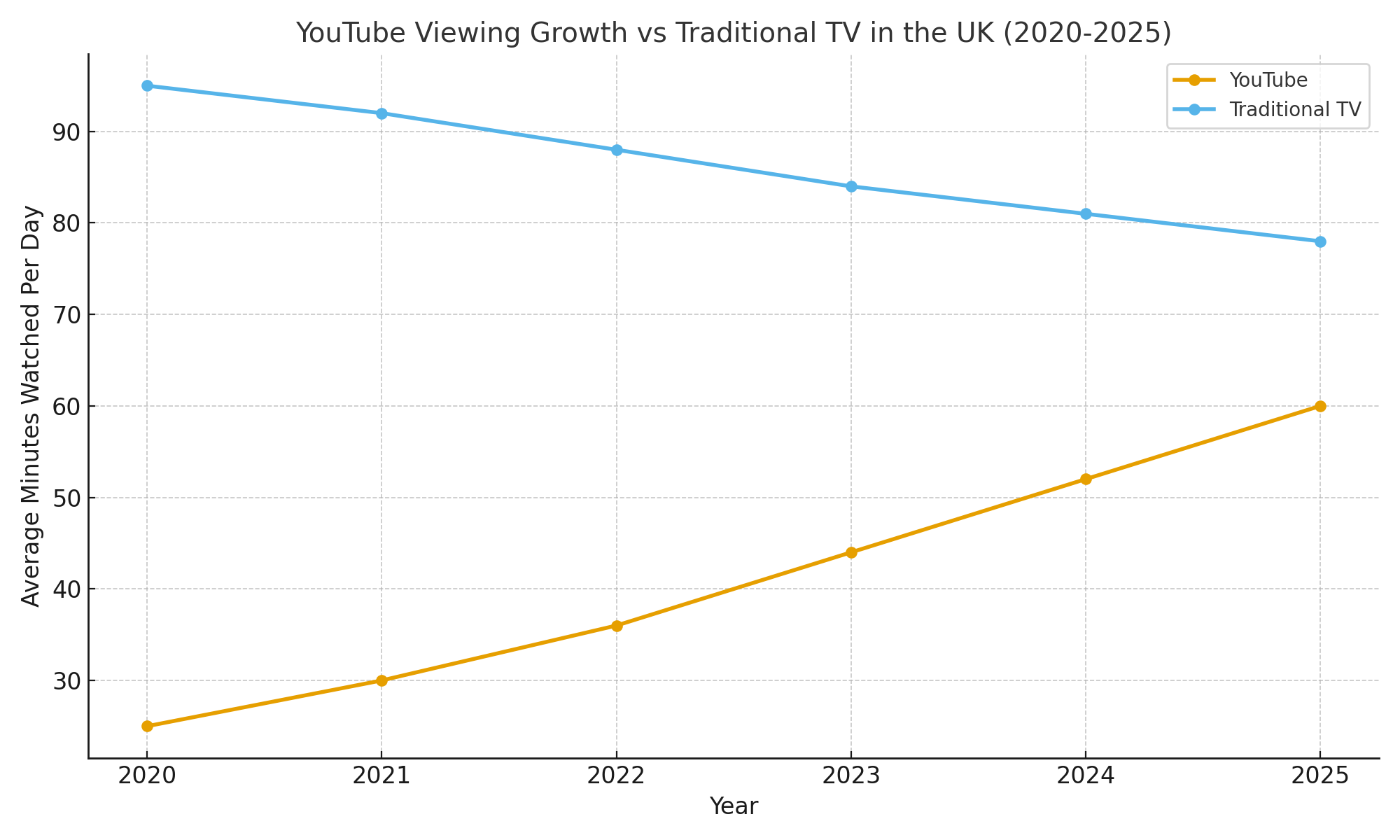
The relentless expansion of YouTube, as evidenced by the diminishing resistance of traditional broadcasters, underscores its dominance in the digital marketing landscape, leaving us all in awe. 

I have lately watched the BBC, amongst others,  advertise its programming and share its content across YouTube.

Not only does it platform an ever-growing tidal wave of talented, ever-so-authentic, and inspiring 4k producers, but it also sustains them through a 50/50 ad share. Meanwhile, it enshrines its viewers in addictive algorithms and interactive involvement.

The explosive UK growth

  • The second most-watched video service in the UK, behind only the BBC and ahead of ITV.
  • 39 minutes per day spent on YouTube by the average UK user, including 16 minutes on TV screens.
  • 20% of children (4-15) go straight to YouTube when they turn on the TV.
  • Significantly, older demographics are catching up, with over-55s nearly doubling their YouTube viewing time in the past year. This shift in demographics presents a unique opportunity for marketers to reach a broader audience.
  • Massive reach: ~54.8 million UK users, or around 79% of the population.

This growth is reshaping how brands must approach video marketing.


 Marketing Implications

  • YouTube, in its current state, can be best described as a ‘broadcast channel’ rather than a traditional social media platform. This shift in perception is crucial for marketers, as it underscores the platform’s potential for reaching a wide audience with engaging video content. 
  • It is now relevant to all age groups
  • Strong creatives are needed to stand out in a saturation of content
  • Just as authenticity is its success, marketing success depends on collaborating with creators and influencers to create on user-generated content and authentic storytelling
  • Shoppable videos, interactive content, shorts, and live streams are newer tools offering even greater engagement and conversion.

Brand opportunities

  • Seize the opportunity to discover gaps in content formats and channels.
  • Optimise SEO with strong thumbnails, titles, and metadata.
  • Leverage short-form videos for reach and engagement.
  • Building loyalty among your audience can be achieved by investing in long-form value content, such as podcasts, in-depth interviews, or behind-the-scenes storytelling, that provides unique and insightful content to your viewers.
  • Tailor to the demographic.
  • Experiment with interactive formats
  • Cross-promote, of course, across social media and email.
  • Gauge impacts by analysing track retention, watch time, and conversions, not simply views. 
  • Operate a consistent upload schedule.

Threats

  • Content saturation
  • Rising cost of CPMs
  • Creative fatigue leading to diminishing engagement.
  • Platform dependency
  • Regulatory changes to push for greater clarification of funded content

____________

©˙Matthew Rymer
All writing and ideas are my own.
AI tools are limited to formatting and proofing. 
 

Freelance Nurses, Flexible Hospitals: The Future the NHS Won’t Try

Freelance Nurses, Flexible Hospitals: The Future the NHS Won’t Try

We are witnessing a shift in work preferences, as much among skilled workers as among unskilled. However, the NHS  continues to spend over £3 billion annually on agency staff. Tens of thousands of vacant posts (especially nurses) force trusts to use temporary staff. The time for change is now.

 Worse still, NHS staff resign to then immediately provide services via an agency at wildly inflated figures. And why shouldn’t they benefit from the higher pay rates and greater flexibility granted to agency workers? Instead of the NHS trying to prevent this exodus, it needs to provide the flexibility that many of its staff so desire.

People increasingly value and desire flexibility over traditional 9-to-5 jobs. Is it mistaken to believe this desire is exclusive to Gen Z and Millennials?

They want to earn income on their own schedule, whether full-time or part-time.

So much nursing talent and experience, for example, is being lost to the NHS through an inflexible employment model. There will be hundreds of thousands of competent nurses who would return to work part-time if empowered to do so, perhaps juggling parenthood and school runs.

Would this work? Here’s why

Because we developed just this kind of system for ADHD therapists for a client..

That client now provides thousands of therapists to many NHS trusts across the UK because it empowers therapists to work self-employed and flexibly.

The freelance management system (FMS)

This is a comprehensive platform that allows healthcare professionals to work as independent contractors, managing their own schedules and clients. It provides a range of benefits, including flexibility, increased earning potential, and the ability to work across multiple healthcare providers.

It is time the NHS considered cutting out agency extortion by introducing its own universal freelance management system (FMS) across nursing, for starters. It could achieve this by developing a digital platform that connects healthcare professionals with NHS trusts, allowing them to negotiate their own contracts and schedules. Empower nurses to work around school and other commitments to have flexible scheduling.

The NHS will only become a victim of providers using such technology if it does not drive its own technology. However, with a well-designed FMS, the NHS can ensure that all healthcare professionals meet the same high standards of care, regardless of their employment status.

____________

©˙Matthew Rymer
All writing and ideas are my own.
AI tools are limited to formatting and proofing. 


AI’s smartest teacher? Nature. Take a look…

AI’s smartest teacher? Nature. Take a look…

Back in May last year I had the pleasure of hosting the then CEO of the Helen Arkell Dyslexia Charity, Andy Cook, and Michael-John Albert, a board member of Ernst Young (now EY), on my Gloucestershire farm to discuss AI.

The purpose was to consider how AI would impact and potentially assist the objectives and efficiencies of Helen Arkell, for which Michael-John served as Chair of Trustees. While we had already transformed the charity’s remote therapy provision through a software solution, there was a shared ambition to think beyond. 

It was a surprise tactic, but it was crucial to break free from the constraints of the present and let our thoughts roam. So, I proposed a unique approach: a mini-safari around the fields to draw inspiration. I wished to stimulate innovative thinking by immersing ourselves in the natural world, where countless solutions to complex problems have evolved over millennia.

As a farmer’s son, I’ve always found inspiration in the natural world. I’ve come to see that AI, in many ways, is mirroring the latent wisdom, knowledge, and innate power of natural elements.

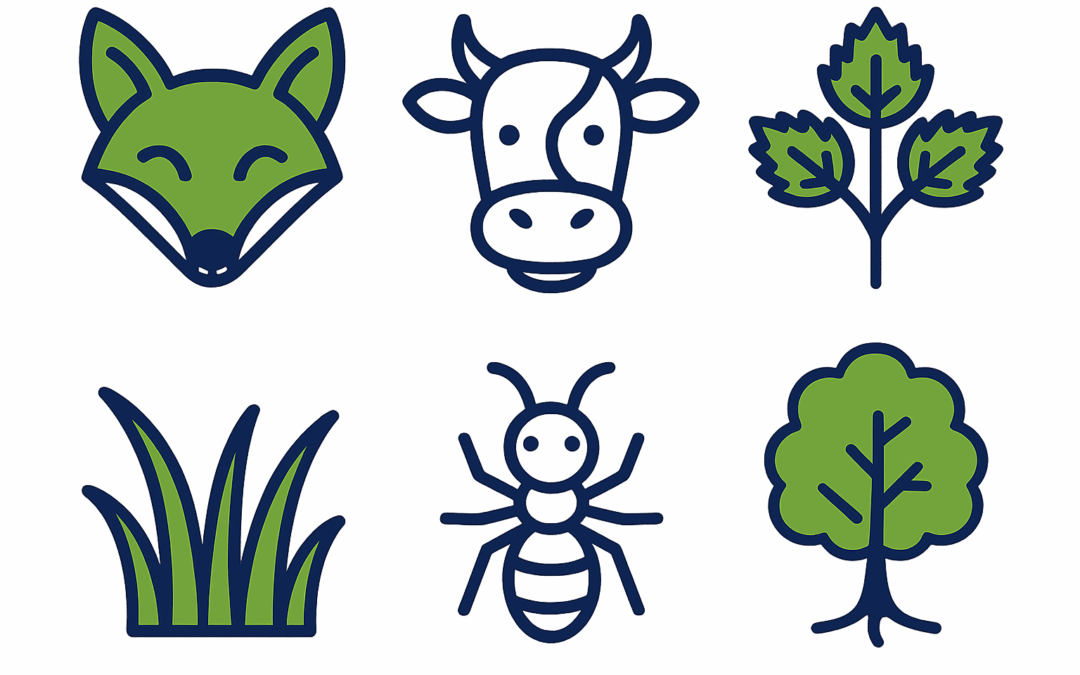
With a firm belief in the six distinct AI impacts on businesses, organisations, and individuals, I chose six living elements from my natural surroundings to illustrate each of them.

Agility

So, to their surprise, after a welcome coffee and croissant, I took them to visit a clump of stinging nettles. 

Yes, the common nettle was my first ‘go-to’ inspiration. Nettles colonise places where others cannot. They survive and flourish wherever and whenever weed killers fail. Attempts to eradicate the nettle are a constant battle that is impossible to win.

They are resurgent, patient, resilient, and opportunistic. Deeply hidden strands of dismembered roots wait patiently to break through and reclaim any ground left barren or unattended during a stinging power struggle. 

The nettle exemplifies the power of agility and continuous enterprise, qualities that the AI era requires. Like the nettle, enterprises must be in constant motion, capable of responding quickly to ongoing disruption and thriving amidst it. 

Performance

My second inspiration was grass, yes, plain and simple grass. It’s everywhere, isn’t it? Have you ever wondered why? No? Perhaps because we walk all over it. And yet, it is incredible. It’s perpetual, it endures droughts, it safeguards our souls, and no carnivore could survive without it. It’s vital to our food chain.

Grass is the ultimate performer. In this new era, dominated, threatened, and propelled by AI, only those businesses, organisations, and individuals who achieve dramatic, whole-cycle productivity gains will likely succeed. Grass is one of the most competitive and successful plants. However, unless the brand or organisation stands out, it is merely grass.

Trodden, ignored, and abused and possibly concreted over. AI is a potential equaliser for businesses and demands productivity improvements like never before. Without a unique point of difference, companies, organisations, and even ourselves will be reduced to just a blade of grass among many. 

Difference

I then took Michael-John and Andy to see our pedigree Gloucester cattle. These are an endangered breed – or at least they were – but for my friend Clifford Freeman (who owns the largest herd), proving something quite significant. By emphasising the unique competitive advantage of this breed, he has overturned the long-standing belief that only modern commercial cross-breeds can compete. 

It highlights the opportunity and raises the question for any business or organisation: how can you stand out in your sector or your niche, or can you create a new niche? The difference is increasingly essential. You do not want to end up just grass, do you? You want to be the unique breed that stands out.

Responsive

Look closely, and you’ll see that our hill hosts hundreds of smaller hills – ant hills. Someone asked me if these are artificial mounds for when cows were hand-milked in the field. But they are far more remarkable. Each is an entire ant-built ecosystem.

They do look artificial—quite incredible. They epitomise the values of enterprise architecture and manage their own digital ecosystem..

Organisations need to work seamlessly as one, like ants. Data needs to be fluid, unified, and pooled. 

 I once worked with an American who had just bought out Scotts of Stow, back then the UK’s leading mail order kitchen and lifestyle brand. He told me he was at 26 (I think) the managing director of Hertz in the UK, a car rental company, and how, when he came to the UK, he was astonished by how hierarchical British companies were, reflected in dedicated car parking spaces and separated catering for management. 

His particular genius may have been in recognising the need to break down tilo culture, replacing division (which one could argue was a factor in the industrial disputes that once dogged the country) with a team ethos.

Pull up to today, and while work practices are much different, silos still operate with too much detachment, and data sits in too many different silos. This practice leads to latency, unnecessary costs and unaffordable dysfunction that the AI era will brutally punish.

We need to be ant-like, working seamlessly. Data must become fluid, unstructured, and shared. No longer be disparate. We need to work together, like a colony of ants, to achieve our goals.

Talent
On the farm, we have a problem with foxes. I’ve lost too many hens, ducks and turkeys to the cunning and stealthy nature of Mr Fox. Mr Fox has a nose for chances, a cunning and Intelligence that I simply do not see in other animals.

The Fox had to be my fifth inspiration to share with Andy and Michael John, for the fox is the master of reinvention. And human talent is a prerequisite to direct perpetual change. 

We must all ask… what new skills are necessary for the workforce better to drive reinvention across entire value chains and business processes? How can a business or organisation develop and apply continuous learning programs across all levels of a team? How can the team become more agile, more opportunist… more cunning?

Only once did my former wife ever leave the hen coop door open at night. That is all it took for the opportunist fox to commit slaughter. Let that be a warning to all established businesses. 

Resilience
We all trust the oak tree. Proud, tall, solid and trusted by all. Trees, of course, were my final inspiration to share. We lost one—it was ancient and proud, but it fell during a horrendous storm a few years back. I cried. In fact, its stump features on the front page of this website, and as such, its spirit lives on.

What does the oak tree teach us about AI? Its data is safe and secure. It survives and thrives from roots to trunk to branch to leaf to acorn. When that oak tree fell, it was a wonder to see how, to its dying day, it thrived and hosted thousands of invertebrates, providing nesting spaces for Little Owls and the winter larder for squirrels, yet it was hollow.

Over its 300 years, its trunk was rotten to its core, but who would have known? It still lived on to its dying day through the rising sap from its outer trunk, giving it majesty beyond any trees around it.

The tree inspired the after-lunch session, when the three of us sat to grow a tree for Helen Arkle. How can it grow? How and where can it grow? What is it growing for? How do all the branches connect? How is the fruit harvested? How does it seed?

That oak tree lives on. The Natural World gives us answers that will never change.

____________

©˙Matthew Rymer
All writing and ideas are my own.
AI tools are limited to formatting and proofing.